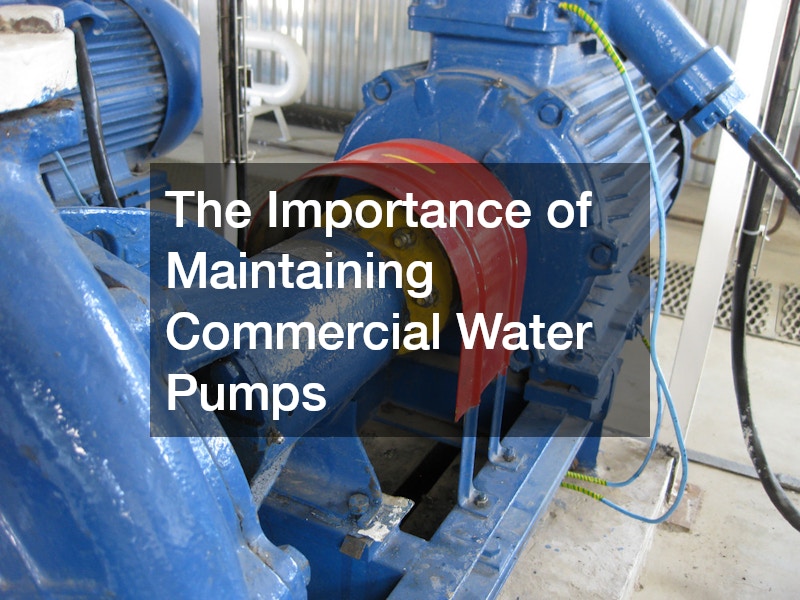
Commercial water pumps play a critical role in various applications, from agriculture to construction and municipal services. Regular maintenance of these pumps is not just a recommendation; it is a necessity that ensures optimized performance. An efficiently operating water pump can significantly reduce operational costs and improve safety standards, thus highlighting the relevance of consistent upkeep. When maintenance is overlooked, the risks of unexpected failures and costly repairs increase.
Why is Regular Maintenance of Commercial Water Pumps Important?
Maximizing Pump Efficiency
Regular maintenance of commercial water pumps is vital for maximizing their efficiency. Efficient pumps operate with lower energy consumption, translating to cost savings for businesses that rely on them.
A well-maintained pump can provide a consistent flow rate, which is essential for all water-dependent operations. Routine checks, such as verifying the alignment and calibration of the pump, can prevent energy losses associated with inefficiencies. In turn, maximizing pump efficiency contributes to an eco-friendly operation, reducing the carbon footprint of the business.
Preventing Costly Repairs
Neglecting water pump maintenance can result in unexpected breakdowns that lead to costly repairs. Regular inspections help identify potential issues before they escalate, allowing businesses to address minor problems proactively. For instance, early detection of wear and tear can save hundreds, if not thousands, of dollars in replacement costs. A strategic maintenance schedule minimizes the risk of catastrophic failures, which can halt operations and lead to revenue losses. Therefore, investing in regular maintenance is a smart financial decision for any business reliant on commercial water pumps.
Ensuring Safe Operations
Maintaining commercial water pumps is crucial for ensuring safe operations within any facility. Faulty pumps can lead to dangerous situations, including leaks, flooding, or even catastrophic failure. Regular inspections can help prevent costly wastewater pump repair and help keep your workplace and workers safer. Ensuring proper functioning of safety devices, like pressure relief valves, is essential in mitigating risks associated with over-pressurization.
What are the Common Preventive Maintenance Practices?
Routine Visual Inspections
One of the simplest yet most effective preventive maintenance practices is routine visual inspections of commercial water pumps. These inspections can help identify leaks, unusual vibrations, and any visible signs of wear or corrosion. Doing so allows for immediate actions to be taken to mitigate issues before they become severe. It’s essential for staff involved in operations to be trained to recognize these early warning signs. Incorporating routine visual checks into a maintenance schedule is a proactive approach to equipment care.
Lubrication of Moving Parts
Proper lubrication of moving parts is critical to maintaining the smooth operation of water pumps. Lubrication minimizes friction, which can lead to overheating and premature wear of components. Regularly scheduled lubrication services ensure that all moving parts, such as bearings and gears, are functioning efficiently. It is vital to use the correct lubricant as specified by the pump manufacturer for optimum performance.
Checking Pressure Gauges and Settings
An essential maintenance practice involves regularly checking and calibrating pressure gauges and settings on commercial water pumps. Accurate pressure readings are vital for ensuring that the pump operates within its designed parameters. A pressure gauge that is out of calibration can lead to over- or under-pressurization, causing inefficiencies or equipment damage. Regular performance evaluations of pressure gauges help in identifying any discrepancies that may require corrective action.
How to Troubleshoot Issues in Commercial Water Pumps?
Identifying Noise and Vibration Problems
Noise and vibration problems in commercial water pumps can indicate underlying issues that require immediate attention. Unusual sounds, such as grinding or rattling, can signify wear on mechanical components like bearings or misalignment of parts. Monitoring and documenting these anomalies is essential for diagnosing the source of the problem effectively. Vibration analysis can be employed to pinpoint issues, helping maintenance teams tackle them before they worsen. Ignoring these warning signs can lead to ultimately more severe damage and costly downtime.
Addressing Leakage and Sealing Problems
Leakage and sealing problems can pose significant risks in commercial water pump operations, potentially leading to safety hazards and increased operational costs. Regular inspections should focus on seals and gaskets for signs of wear and tear, which can lead to water loss and inefficiency. Addressing these leaks promptly is essential not only for maintaining performance but also for ensuring the safety of workers and the environment. Implementing preventive measures such as the use of high-quality sealing materials can mitigate these issues in the long run.
Maintaining commercial water pumps is essential for ensuring optimal performance, preventing costly repairs, and maintaining safe operations. Businesses that prioritize maintenance reflect a commitment to operational excellence and sustainability, ensuring their assets work reliably for longer periods. Establishing a comprehensive maintenance strategy is not only wise but also imperative for the success and longevity of commercial water pumps.
Commercial water pumps play a critical role in various applications, from agriculture to construction and municipal services. Regular maintenance of these pumps is not just a recommendation; it is a necessity that ensures optimized performance. An efficiently operating water pump can significantly reduce operational costs and improve safety standards, thus highlighting the relevance of consistent upkeep. When maintenance is overlooked, the risks of unexpected failures and costly repairs increase.
Why is Regular Maintenance of Commercial Water Pumps Important?
Maximizing Pump Efficiency
Regular maintenance of commercial water pumps is vital for maximizing their efficiency. Efficient pumps operate with lower energy consumption, translating to cost savings for businesses that rely on them.
A well-maintained pump can provide a consistent flow rate, which is essential for all water-dependent operations. Routine checks, such as verifying the alignment and calibration of the pump, can prevent energy losses associated with inefficiencies. In turn, maximizing pump efficiency contributes to an eco-friendly operation, reducing the carbon footprint of the business.
Preventing Costly Repairs
Neglecting water pump maintenance can result in unexpected breakdowns that lead to costly repairs. Regular inspections help identify potential issues before they escalate, allowing businesses to address minor problems proactively. For instance, early detection of wear and tear can save hundreds, if not thousands, of dollars in replacement costs. A strategic maintenance schedule minimizes the risk of catastrophic failures, which can halt operations and lead to revenue losses. Therefore, investing in regular maintenance is a smart financial decision for any business reliant on commercial water pumps.
Ensuring Safe Operations
Maintaining commercial water pumps is crucial for ensuring safe operations within any facility. Faulty pumps can lead to dangerous situations, including leaks, flooding, or even catastrophic failure. Regular inspections can help prevent costly wastewater pump repair and help keep your workplace and workers safer. Ensuring proper functioning of safety devices, like pressure relief valves, is essential in mitigating risks associated with over-pressurization.
What are the Common Preventive Maintenance Practices?
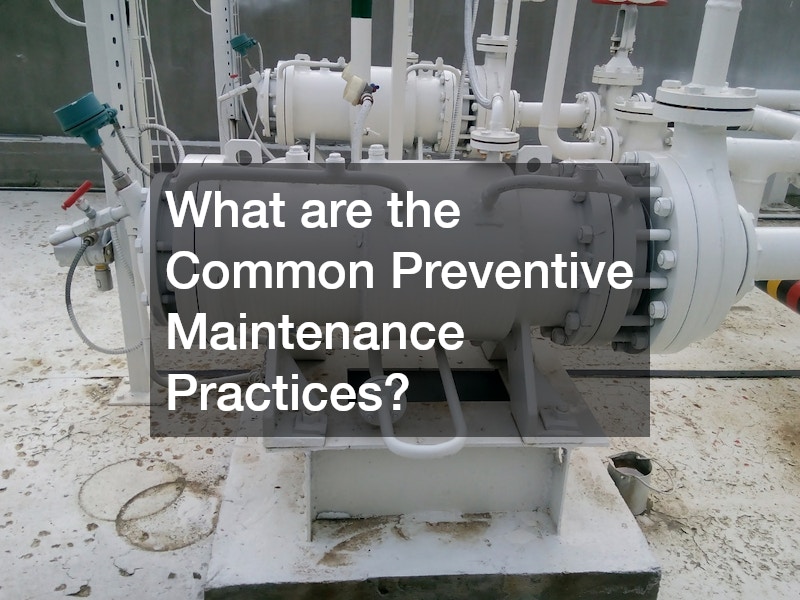
Routine Visual Inspections
One of the simplest yet most effective preventive maintenance practices is routine visual inspections of commercial water pumps. These inspections can help identify leaks, unusual vibrations, and any visible signs of wear or corrosion. Doing so allows for immediate actions to be taken to mitigate issues before they become severe. It’s essential for staff involved in operations to be trained to recognize these early warning signs. Incorporating routine visual checks into a maintenance schedule is a proactive approach to equipment care.
Lubrication of Moving Parts
Proper lubrication of moving parts is critical to maintaining the smooth operation of water pumps. Lubrication minimizes friction, which can lead to overheating and premature wear of components. Regularly scheduled lubrication services ensure that all moving parts, such as bearings and gears, are functioning efficiently. It is vital to use the correct lubricant as specified by the pump manufacturer for optimum performance.
Checking Pressure Gauges and Settings
An essential maintenance practice involves regularly checking and calibrating pressure gauges and settings on commercial water pumps. Accurate pressure readings are vital for ensuring that the pump operates within its designed parameters. A pressure gauge that is out of calibration can lead to over- or under-pressurization, causing inefficiencies or equipment damage. Regular performance evaluations of pressure gauges help in identifying any discrepancies that may require corrective action.
How to Troubleshoot Issues in Commercial Water Pumps?
Identifying Noise and Vibration Problems
Noise and vibration problems in commercial water pumps can indicate underlying issues that require immediate attention. Unusual sounds, such as grinding or rattling, can signify wear on mechanical components like bearings or misalignment of parts. Monitoring and documenting these anomalies is essential for diagnosing the source of the problem effectively. Vibration analysis can be employed to pinpoint issues, helping maintenance teams tackle them before they worsen. Ignoring these warning signs can lead to ultimately more severe damage and costly downtime.
Addressing Leakage and Sealing Problems
Leakage and sealing problems can pose significant risks in commercial water pump operations, potentially leading to safety hazards and increased operational costs. Regular inspections should focus on seals and gaskets for signs of wear and tear, which can lead to water loss and inefficiency. Addressing these leaks promptly is essential not only for maintaining performance but also for ensuring the safety of workers and the environment. Implementing preventive measures such as the use of high-quality sealing materials can mitigate these issues in the long run.
Maintaining commercial water pumps is essential for ensuring optimal performance, preventing costly repairs, and maintaining safe operations. Businesses that prioritize maintenance reflect a commitment to operational excellence and sustainability, ensuring their assets work reliably for longer periods. Establishing a comprehensive maintenance strategy is not only wise but also imperative for the success and longevity of commercial water pumps.